
Travel to Italy without surprises: a guide to avoid scams and tourist traps
By M. Mendoza · Founder of Toursen · Italy travel experiences specialist
Published on 10 September 20263 min read
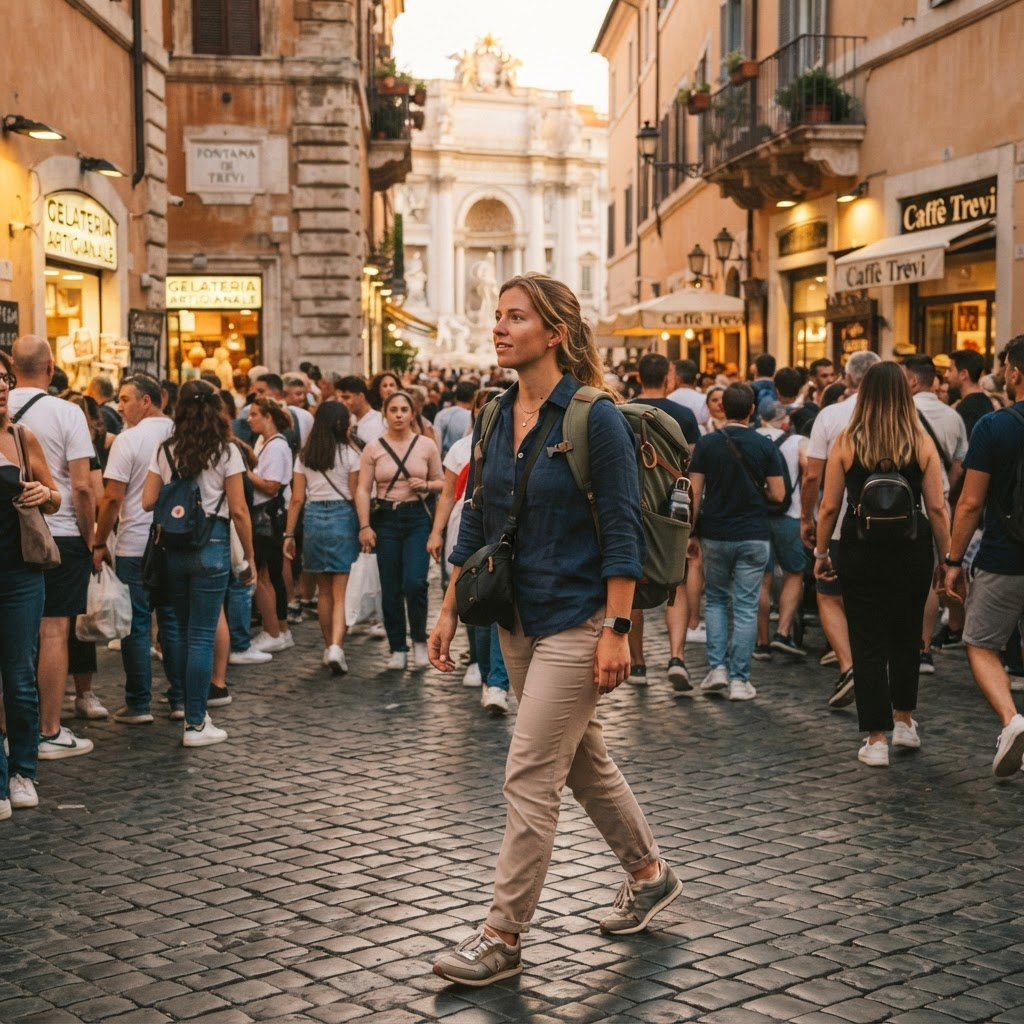
Italy is one of the most fascinating countries in the world. Yet in cities as visited as Rome or Florence it is easy to run into “experiences” designed to take advantage of the distracted traveler.
At Toursen we operate directly in these cities and every day we see travelers who overpaid or had a bad time for lack of information. This guide isn’t about making you walk in fear, but about traveling with the peace of mind of knowing how things work.
1. The survival manual: common scams in Rome and Florence
Most traps follow the same pattern: someone tries to rush you, distract you, offer you something “free” or pressure you into an immediate money decision.
In Rome: the classics you should ignore
- The shell game: if you see a little ball under three cups in places like Via dei Fori Imperiali or near the Trevi Fountain, don’t stop. It’s an organized fraud where the “winners” are part of the crew.
- The “free” bracelet: someone friendly slips a bracelet onto your wrist; once it’s on, they demand money. Golden rule: don’t let anyone touch your hands, wrist or backpack. A firm “No, thank you” and keep walking without looking back.
- Petitions and signatures: they stop you with a clipboard for a “charity cause”. Often it’s a distraction so someone can reach your backpack or pressure you for money. If you want to donate, do it through the official channels of recognized organizations.
- Unofficial taxis: arriving at the airport or stations, ignore anyone shouting “Taxi?”. Always use the official ranks and, before getting in, confirm destination, price (or that the meter is on) and payment method.
In Florence: pay special attention to…
- Misleading “free” tours: many unvetted free walking tours end in constant pressure for exorbitant tips, or steer you to specific shops where the guide earns a commission for pushing low-quality leather on you.
- “Artisan” leather shops: if the shop is right in the center, surrounded by tourists and with “incredible” prices, it’s probably not local craftsmanship but mass industrial manufacturing.
2. The real danger: fake or overpriced tickets
This is the point that most affects your budget and your planning. Monuments like the Colosseum, the Vatican Museums or the Uffizi Gallery in Florence attract dozens of sites that look official but are resellers inflating the prices.
Golden rule: before paying, find the official government site (.it or .va). If a site offers you “guaranteed access” at a price much higher than the official one, you are paying for a resale service, not real priority access.
Recommended official links
- Colosseum and Roman Forum: ticketing.colosseo.it
- Vatican Museums: tickets.museivaticani.va
- Galleria Borghese: galleriaborghese.cultura.gov.it
- Uffizi Gallery (Florence): uffizi.it
3. The golden rule: how to spot a trap
Almost every scam shares this sequence:
- 1Someone pressures you: “You have to decide now.”
- 2Someone distracts you: “Look at this”, “Excuse me, can you help?”.
- 3Something is “free”: a gift, a signature, unsolicited help.
- 4They ask for immediate money: with no clear explanation.
If a situation feels off, you owe no one any explanation. Simply turn around and walk away.
Why do we do things differently at Toursen?
We created Toursen precisely because we were tired of seeing how a lack of transparency ruined trips. We don’t want to be a massive platform where you find 200 options and can’t tell which is real. We operate directly in Rome and Florence with selected partners. When you book with us:
- You know exactly what you are paying for.
- Tickets are verified.
- You have human support via WhatsApp for any question before, during or after your activity.
We don’t try to sell you everything. We try to make sure that, if you decide to book an experience, it’s a safe, genuine one that truly adds value to your trip.
Want to organize your visit to Italy risk-free?
If you feel overwhelmed with planning or unsure which tickets to buy, don’t risk your money. Message us on WhatsApp and tell us which cities you’ll visit: we’ll advise you for free on what to book ahead and which experiences are worth it. You can also browse our tours in Rome or the circuits around Italy.
Frequently asked questions
- What are the most common scams targeting tourists in Rome?
- The most common are the shell game, the “free” bracelet that then demands money, charity signatures or petitions used as a distraction, and unofficial taxis. All share the same pattern: pressure, distraction and a request for immediate cash.
- How do I know if a ticket site is official or a reseller?
- Official sites for Italian monuments use government domains (.it or .va), such as ticketing.colosseo.it or tickets.museivaticani.va. If a site offers “guaranteed access” at a price well above the official one, it’s a reseller: you pay for the resale, not for real priority access.
- Are free walking tours in Florence reliable?
- It depends on the operator. Many unvetted free tours end up pressuring for very high tips or steering you to shops where the guide earns a commission. It’s safer to book with an identifiable local operator that tells you upfront what’s included and what it costs.
- What should I do if someone pressures me on the street?
- You owe them no explanation. Say a firm “No, thank you”, don’t let anyone touch your hands, wrist or backpack, and keep walking without stopping. If you have doubts before traveling, message us on WhatsApp and we’ll guide you.
Planning your trip?
Our local guides help you organise everything. Discover our tours and multi-day trips, or get in touch.
See tours and experiencesKeep exploring

By
M. Mendoza
Founder of Toursen · Italy travel experiences specialist